
Your situation7-minute readFor working medtech graduates
How to review for the MTLE while working: a schedule that holds
How to review for the MTLE while working: a weekday and weekend schedule, phone recall in small pockets, and how to use leave in the final month.
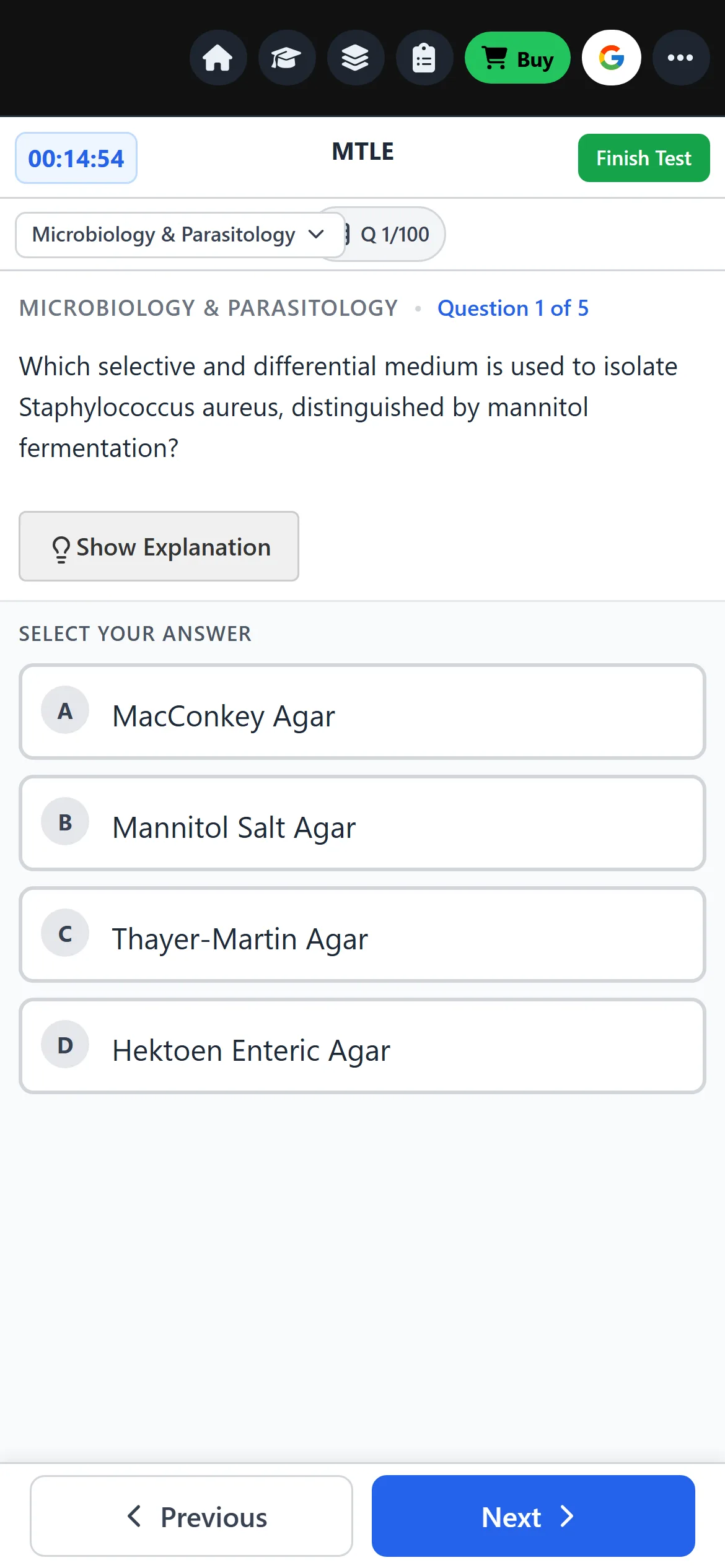
You graduated, you took a job in a hospital laboratory, a clinic or something outside medtech altogether, and the MTLE is still ahead of you. To review for the MTLE while working, you do not need more discipline than other reviewees. You need a plan that matches the hours you really have. This post gives a weekly schedule, tells you how to use small pockets of time, shows what to do with weekends and describes how to treat leave in the final month.
Whether you work in a lab, a clinic or a different setting entirely, family duties and shifts mean your time is scarce. The aim is to spend it where the points are. If you are still deciding between a class and studying alone, the review center and self review comparison weighs both.
Is the problem time or ability?
For most working reviewees, the problem is time, and a good plan accepts that. Your clinical exposure may even help, since you handle specimens, instruments and results most days. But the MTLE is still six papers across six subjects, so work experience in one section does not cover the other five.
The scoring rule shapes your priorities. RA 5527 requires a general average of at least 75% and no rating below 50% in any major subject. The four 20% subjects hold most of the points, but the two 10% papers can still sink you through the floor. So with limited hours, order your work like this: first, the four 20% subjects; second, a small weekly block for each 10% paper; third, anything else.
What does a workable weekly schedule look like?
A workable schedule has short weekday blocks, one weekend session of timed sets and one day off. Aim for consistency across weeks, not a big total in one. The table below is a sample for someone who works regular hours; adjust it to your shifts.
| Day | Block | What to do |
|---|---|---|
| Mon | 60-90 min evening | One 20% subject: notes and 25 timed items |
| Tue | 60-90 min evening | A second 20% subject: same pattern |
| Wed | 45 min | A 10% paper, plus a mistake notebook review |
| Thu | 60-90 min evening | A third 20% subject |
| Fri | 30 min | Phone recall only, then rest |
| Sat | 3-4 hrs morning | Two timed board-length papers, then review the explanations |
| Sun | Off, or 45 min | Fourth 20% subject if energy allows |
Rotate subjects each week so all four heavy ones are covered every fortnight. If a week collapses, do not try to make it up. Resume the schedule the next day. The 12-week study plan shows how a full-time version fits together if you want a model to scale down.
How do you use small pockets of time?
Use small pockets for recall, not for learning new topics. A commute, a queue or a lunch break is too short for a long explanation but long enough for ten flashcards. Recall tools keep earlier topics from fading while your evenings go to new material.
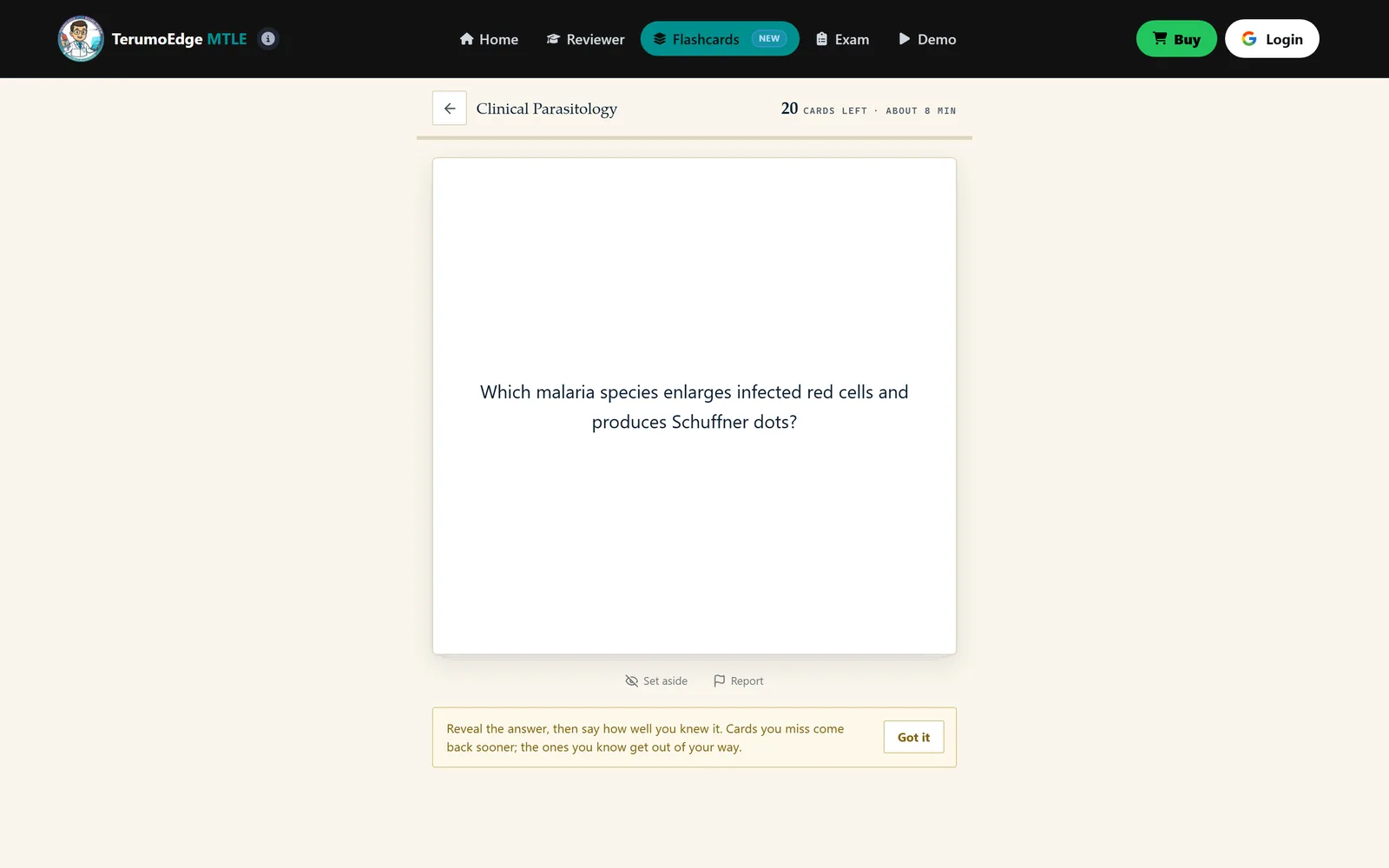
Keep a small set of cards on your phone, built from your own mistakes. TerumoEdge offers a flashcards hub at /flashcards/, and the free demo has five items per board subject that you can open in a browser on your phone. Using any similar tool, the habit is the same: look at the prompt, answer before turning the card, and mark what you missed.
Do not study during a shift in a way that affects patient care or safety. Use real breaks only, and follow your workplace rules.
What should you do with weekend sets?
Use your weekend session for timed, board-length papers, because that is the one thing short weekday blocks cannot give you. A recent PRC program, as relayed by a secondary source, describes six 2-hour papers over two days. Your weekend practice builds the stamina and pacing to match.
Start with one timed paper each weekend, then move toward two as the exam gets closer. Sit them at the time of day you will face them: morning for the first paper, later for the afternoon paper. Put your phone away, keep to the clock and finish the paper before you check any answers.
Then spend at least as long on the explanations as on the paper itself. The TerumoEdge simulator offers five board-length sets of 100 items per subject, each with an explanation, and its free demo lets you try the format first. TerumoEdge publishes this blog, so weigh that accordingly.
How should you use leave and the final month?
Spend your leave on the final stretch, because that is when full two-day rehearsals pay off. The statute and PRC announcements do not decide this for you, but your employer's leave policy does, so ask early. Even one or two weeks off before the exam lets you sit consecutive days of timed papers and rest properly.
If you cannot get leave, protect your last two weeks differently. Reduce overtime where you can, avoid new commitments and keep evenings clear. The last month guide describes how to taper and what to avoid.
Check the exam dates and filing windows with PRC. The 2026 schedule lists two sittings a year, in March and August, so you can plan backwards and tell your employer your dates in good time. A review center or self review are both options, depending on your shifts.
How do you review for the MTLE while working without burning out?
You review for the MTLE while working without burning out by planning rest as firmly as you plan study. A full shift followed by a long evening of review works for a week or two, then quality drops. Your schedule should survive a bad week, not only a good one.
Set a floor and a ceiling. The floor is the minimum you will do on a tired day, such as twenty minutes of recall. The ceiling is the most you will do on a good day, so you do not exhaust yourself early. Keep one evening free each week and protect your sleep, because memory consolidates overnight.
Review your progress every two weeks with a timed set, and adjust. If your hours shrink because of overtime or family duties, trim the lowest-weight work first and keep the four 20% subjects steady.
What should you tell your employer and family?
Tell them your exam dates and your study hours early, because predictable support is easier to get than last-minute favours. Name the two or three weeks that matter most, usually the final month, and ask whether shifts can be arranged around them. Many supervisors respond better to a clear request with dates than to a general worry.
At home, agree on protected study times and say what you will do in return. A weekend session of timed papers needs a quiet room and no interruptions for a few hours. Put the schedule where everyone can see it, and keep one block of family time so the plan lasts for months.
Frequently asked questions
Can I pass the MTLE while working?
Yes, many graduates review while employed, and nothing in the sources used here suggests otherwise. Passing depends on a general average of at least 75% and no rating below 50% in any major subject. A realistic schedule, timed practice and enough rest matter more than whether you hold a job.
How many hours a week should I study?
There is no official number. Choose a total you can sustain for the whole period, then protect it. A schedule of several short weekday blocks plus a long weekend session is usually easier to keep than occasional marathons. Increase hours gradually as the exam approaches.
Should I take leave before the MTLE?
If you can, take leave for the final one or two weeks. That period suits full two-day rehearsals, recovery and taper. Ask your employer well ahead, and use the PRC schedule to name your dates. If leave is impossible, reduce other commitments instead.
Is phone-based review enough?
Phone-based review is a good supplement for recall and short item blocks, but it should not be your only practice. You also need timed, board-length sittings with the clock running, preferably at a desk. The exam prohibits phones, so train under conditions that match it.
Sources
From the publisher
Meet the MTLE here first.
TerumoEdge MTLE is an MTLE simulator: board-length practice sets in all six board subjects, sat on a clock, with a full explanation for every item instead of a bare answer key.
- 3,000 items across the six MTLE board subjects, 500 in each
- five board-length sets of 100 items per subject
- A full explanation for every item, not a bare answer key
- A visual reviewer and flashcards beside the question bank
Try the free MTLE simulator demo Five real items per board subject. No account needed.
About this article
Written by the TerumoEdge editorial team, who build the TerumoEdge MTLE Ex-Sim. Exam facts are checked against RA 5527, the Philippine Medical Technology Act of 1969, Professional Regulatory Board of Medical Technology resolutions and PRC announcements, and every article lists its sources. How we write and check our articles.
First published .